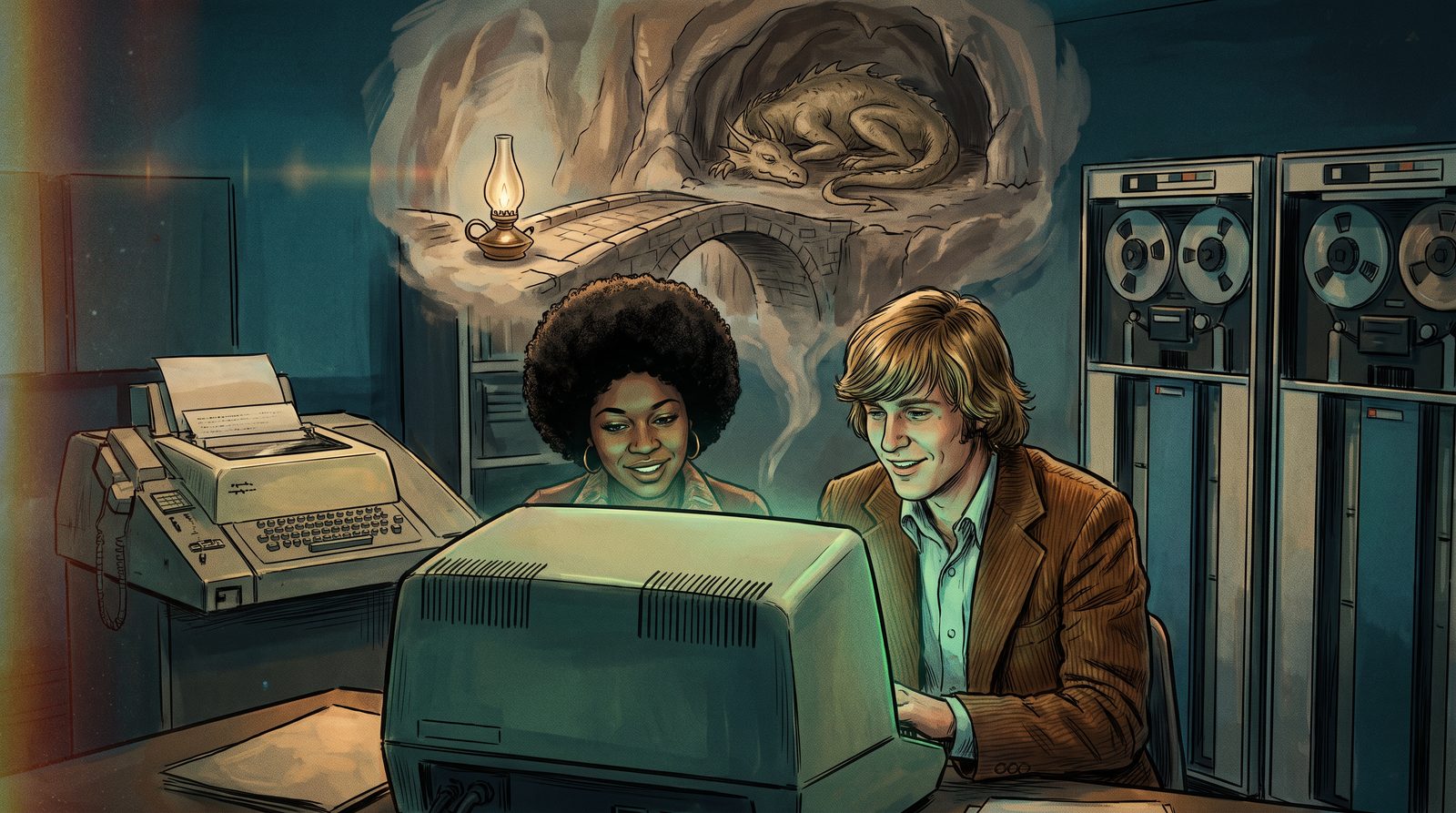
A field at its 1970s moment
The best comparison for where Story Generators are today is not the modern games industry. It is the late 1970s, when interactive fiction was invented by a handful of people on computers most of the public had never seen.
In 1975 and 1976, Will Crowther, a programmer who had worked on the early ARPANET, wrote a text game for the PDP-10 mainframe based on his maps of Kentucky's Mammoth Cave, the longest cave system in the world. He partly wrote it so his daughters, who were not technical, could play. In 1977 Don Woods expanded it with more fantasy, and Colossal Cave Adventure spread across the network. The program acted as a narrator, describing where you were and what happened when you typed a one- or two-word command.
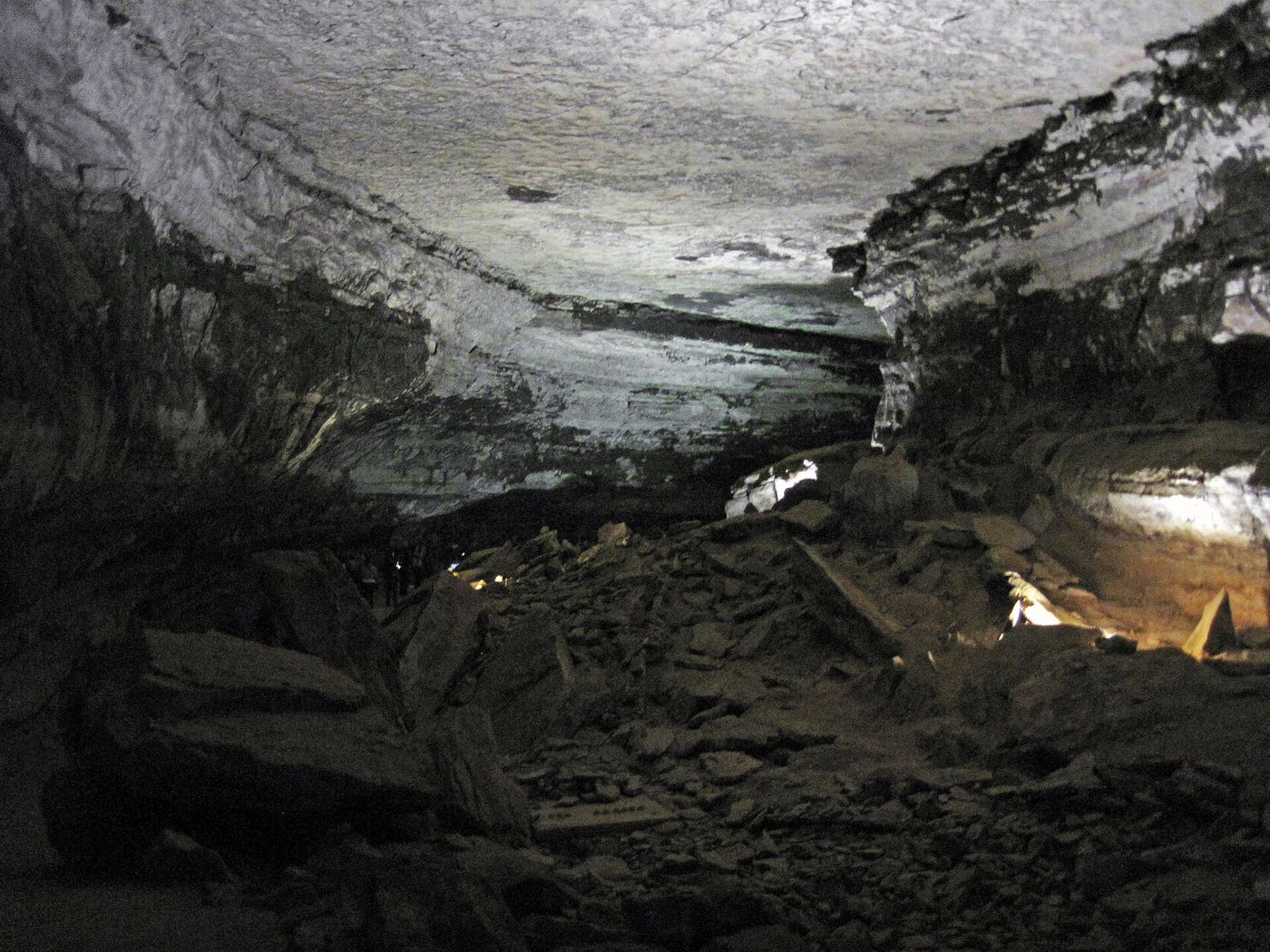



At MIT in May 1977, four members of a research group (Tim Anderson, Marc Blank, Bruce Daniels and Dave Lebling) started building their own answer to Adventure, with a far better parser. They called it Zork. In June 1979 they and colleagues founded a company, Infocom, to sell it. In 1978 Scott Adams, working on a TRS-80 at home, released Adventureland, a small adventure that fitted into a home computer's memory, and founded Adventure International on its success.
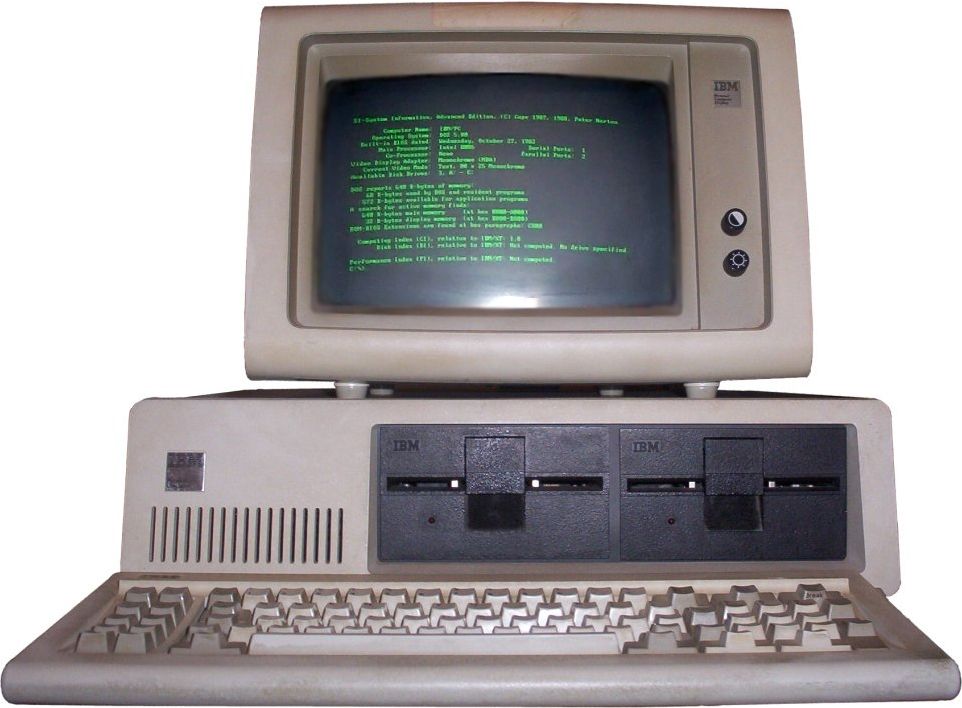
And in 1979 a young company called Microsoft, then known for its BASIC, published Microsoft Adventure for the TRS-80 and Apple II: a home-computer version of Colossal Cave Adventure, programmed for Microsoft by Gordon Letwin, with 130 rooms and 15 treasures. When IBM launched its Personal Computer in 1981, Microsoft Adventure was one of the first two games available for it. Microsoft had even been offered Zork and passed, because it already had its own adventure.
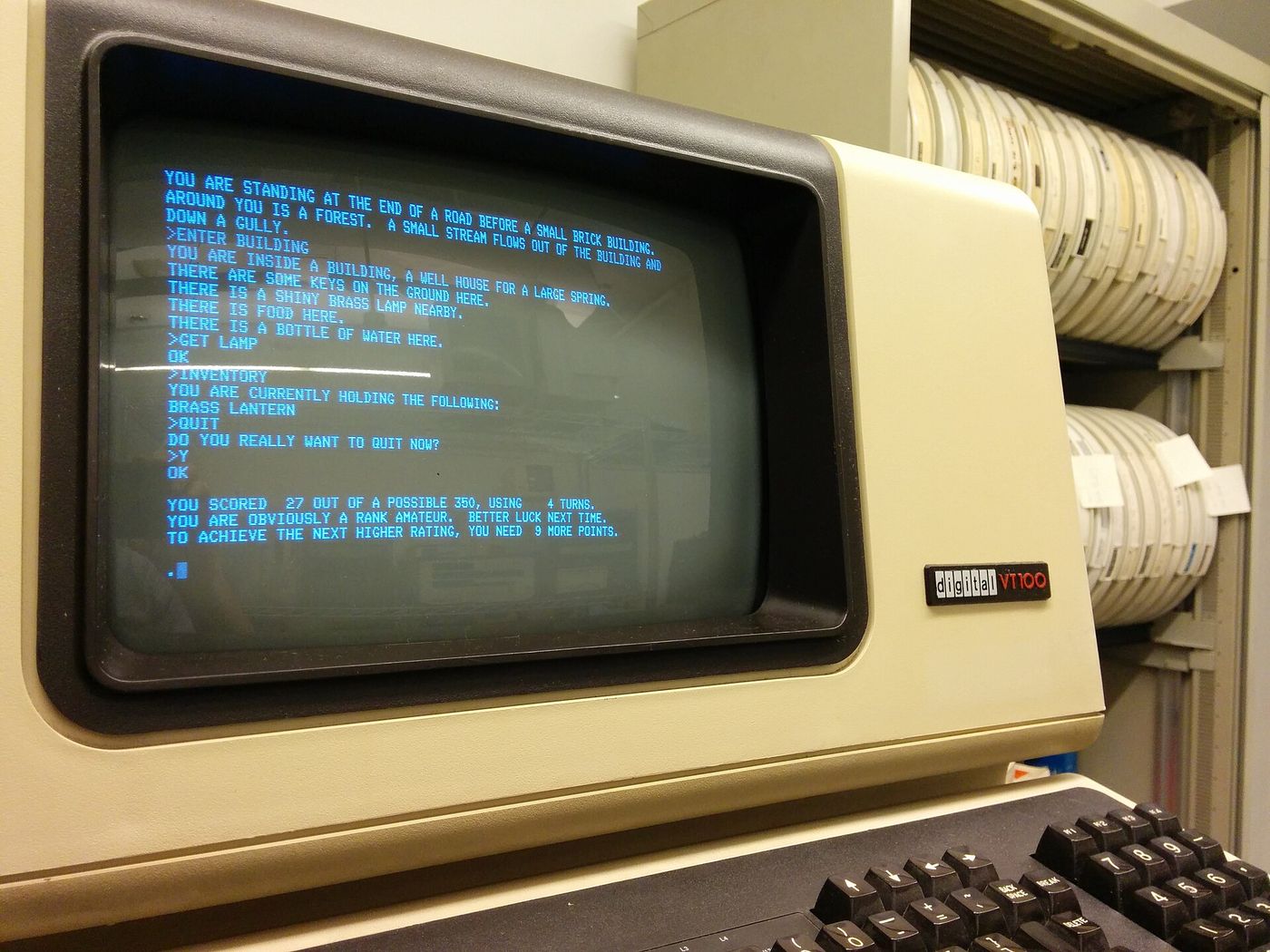

Count the studios in that story: Crowther and Woods, the Infocom group, Adventure International, Microsoft, and from May 1980 On-Line Systems (later Sierra), whose Mystery House is often called the first graphical adventure. A handful of teams, working in text, on hardware that could barely hold a story, inventing a medium that most people had not yet heard of. Within a decade, that medium had grown into an industry.
Story Generators are in the same position. The tools are new, the audience is early, the conventions do not exist yet and most people who try one today are trying it in text. The studios doing serious work can be counted on two hands. The question is not whether this medium will grow, but who will define its craft while it does.
Timeline: 1975 to 1981
- 1975–76Colossal Cave Adventure Will Crowther writes the first well-known text adventure on a PDP-10, based on Mammoth Cave.
- 1977Don Woods expands Adventure It spreads over the ARPANET. At MIT, work on Zork begins in May.
- 1978Adventureland Scott Adams brings the adventure to home computers on the TRS-80 and founds Adventure International.
- 1979Microsoft Adventure Microsoft publishes its adventure for the TRS-80 and Apple II. Infocom is founded on 22 June.
- 1980Zork I and Mystery House Zork I is published commercially; Mystery House adds pictures to the adventure.
- 1981The IBM PC Microsoft Adventure is one of the first two games for IBM's new computer.
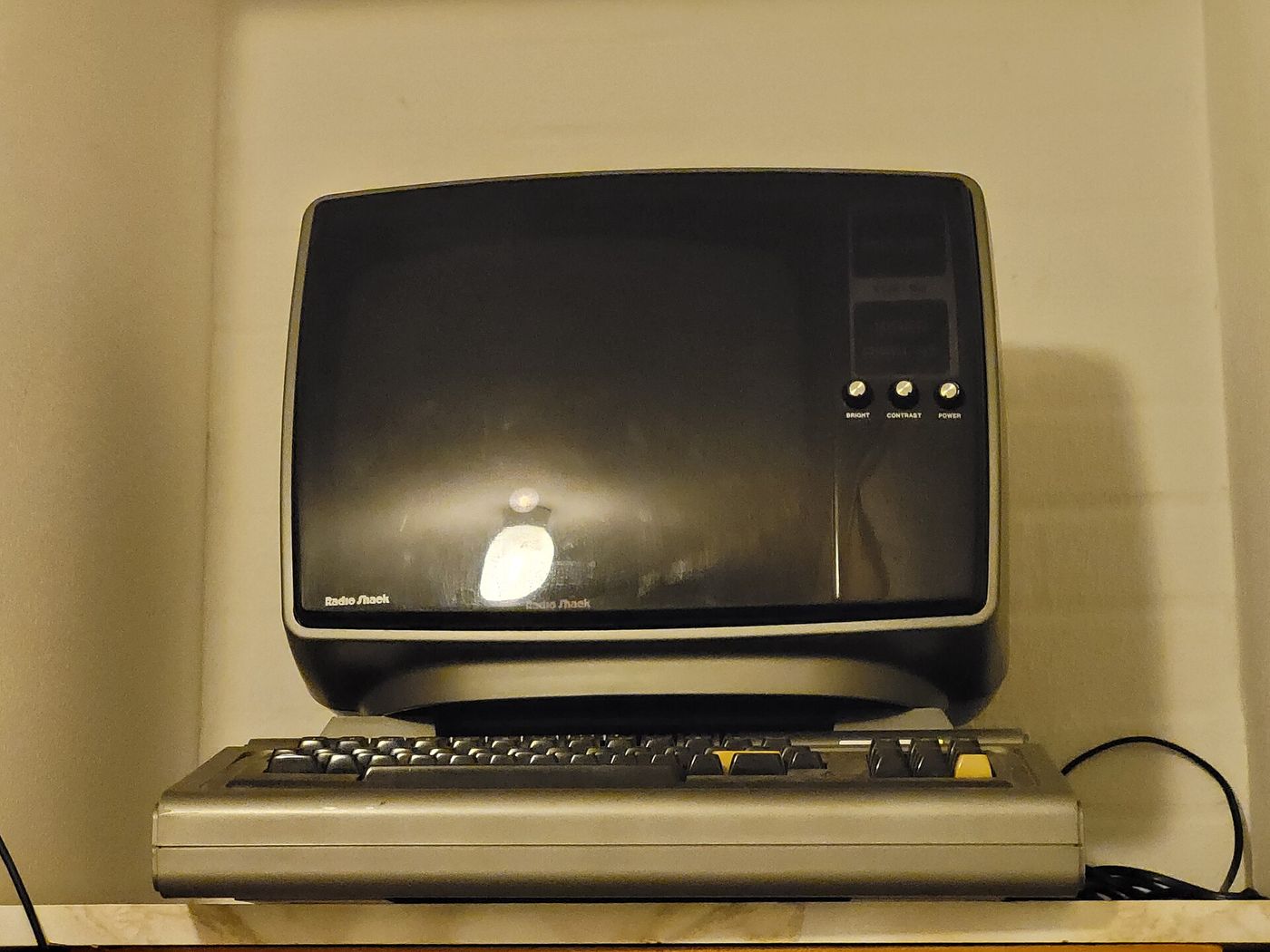


One more parallel is worth drawing. Those early text games and today's Story Generators share an interface: the player types, and the world answers in prose. But the early parsers understood a few hundred words and only the first letters of each. Adventureland read just the first three letters of a command, so "lig lam" meant "light lamp". Everything a player could do had to be anticipated by the author. Story Generators remove that ceiling. For the first time since 1976, the narrator can understand anything you say, and the author's job changes from anticipating every input to defining a world well enough that any input can be answered truthfully.