
Story Generators: a new pillar of interactive entertainment
Read the manifesto →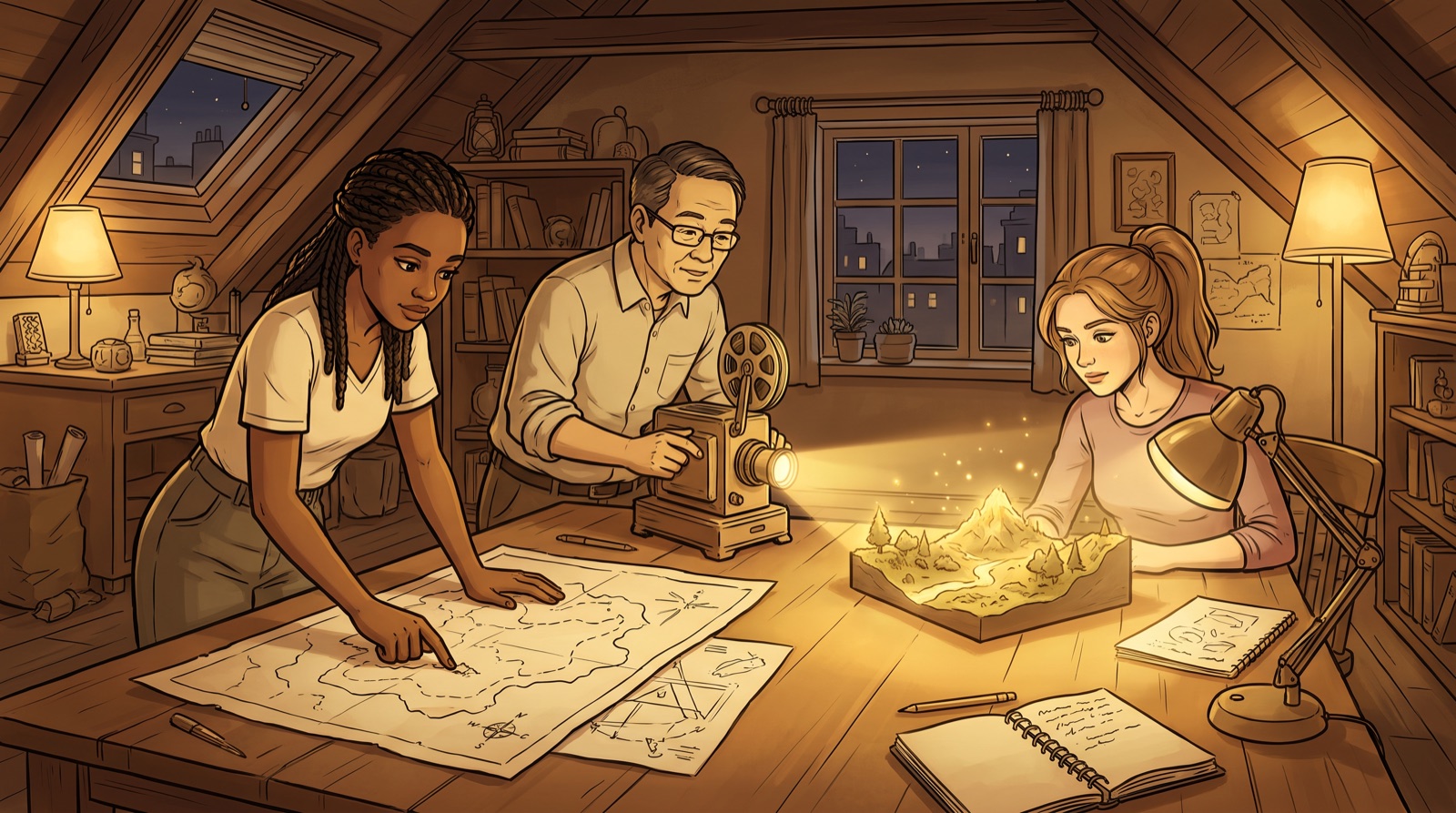
Procedural generation vs generative AI in games
Procedural generation builds worlds from rules a designer wrote. Generative AI builds them from patterns a model learned. Here is how they differ, what each is good at, and why the best games will use both.
Read the essay →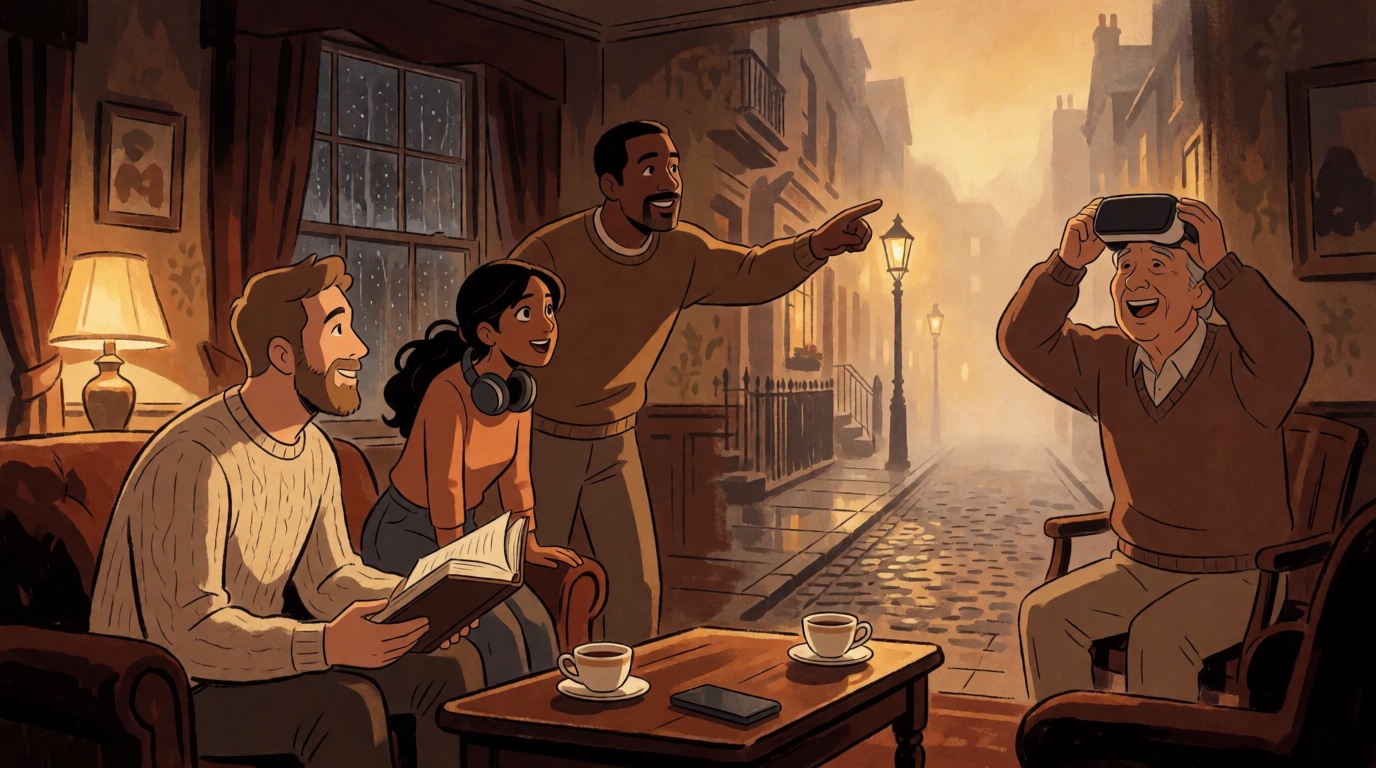
The rise of generative universes
Calling the next medium a 'game generator' fixes it to one format just as AI is breaking formats apart. Omni models and generative universes point to something broader: the Story Generator.
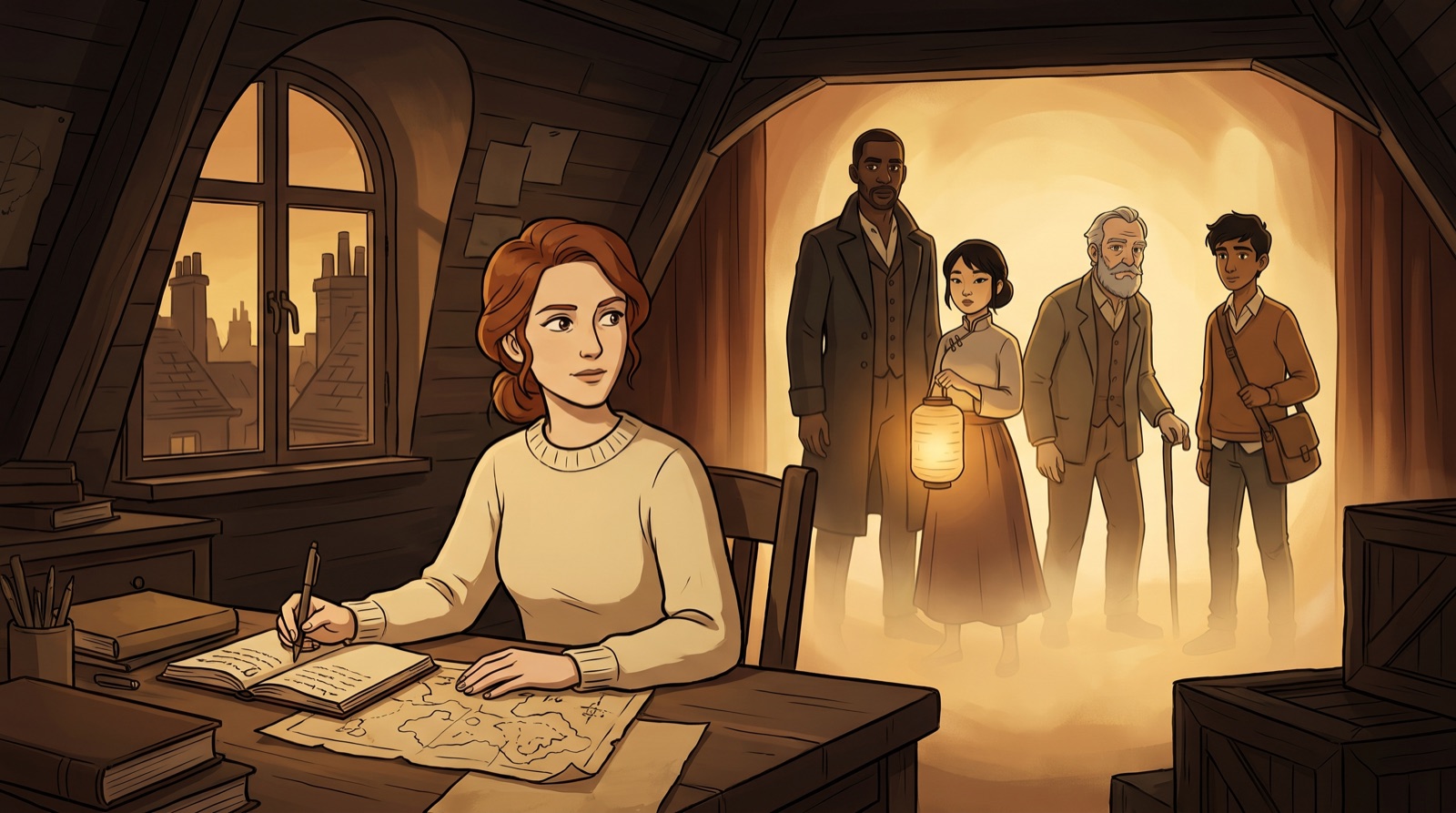
Who writes the story? Authorship in AI interactive storytelling
When a model performs a story live and every player gets a different version, who is the author? We think the answer is still the writer, and that this shapes how AI stories should be built.
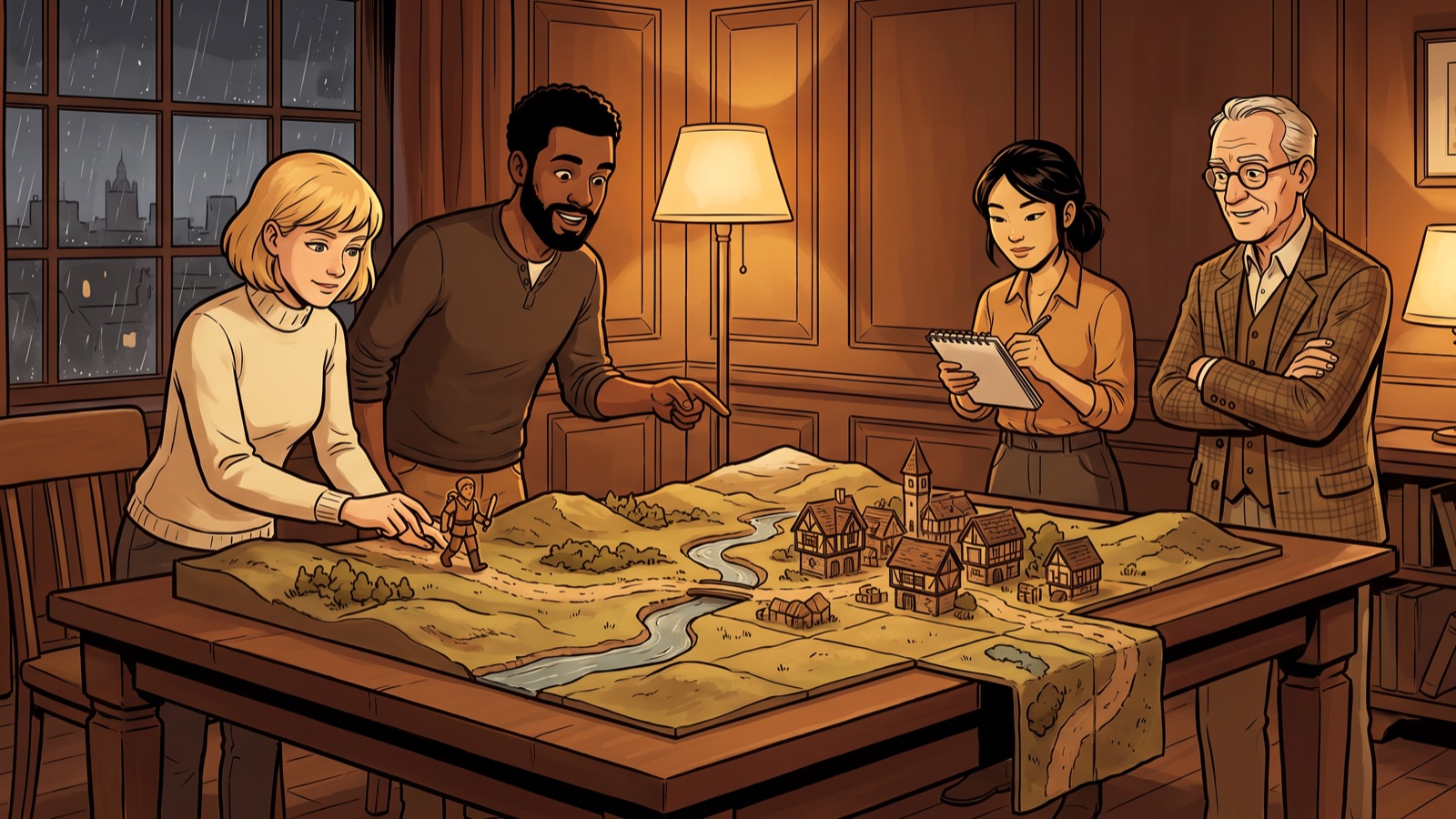
How AI world models work, and why games care
A world model predicts what happens next in a scene, frame by frame, as you act. Here is how the main designs work, where they fail, and what they mean for anyone building interactive worlds.
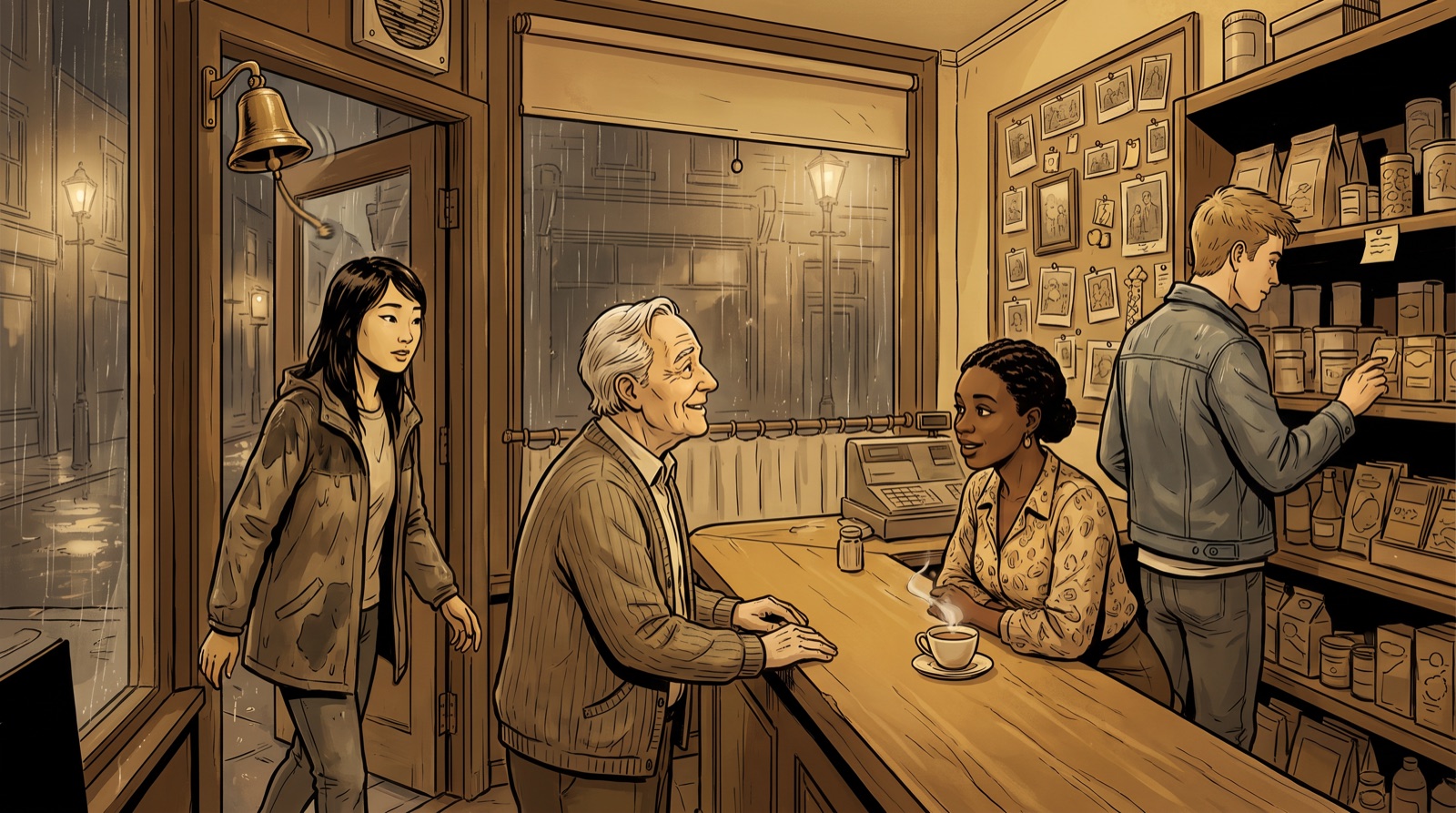
Memory is the new save file: how AI game worlds remember you
A world that talks back is impressive. A world that remembers what you did last week is something else. Memory is the quiet system that decides whether AI characters and stories feel alive.
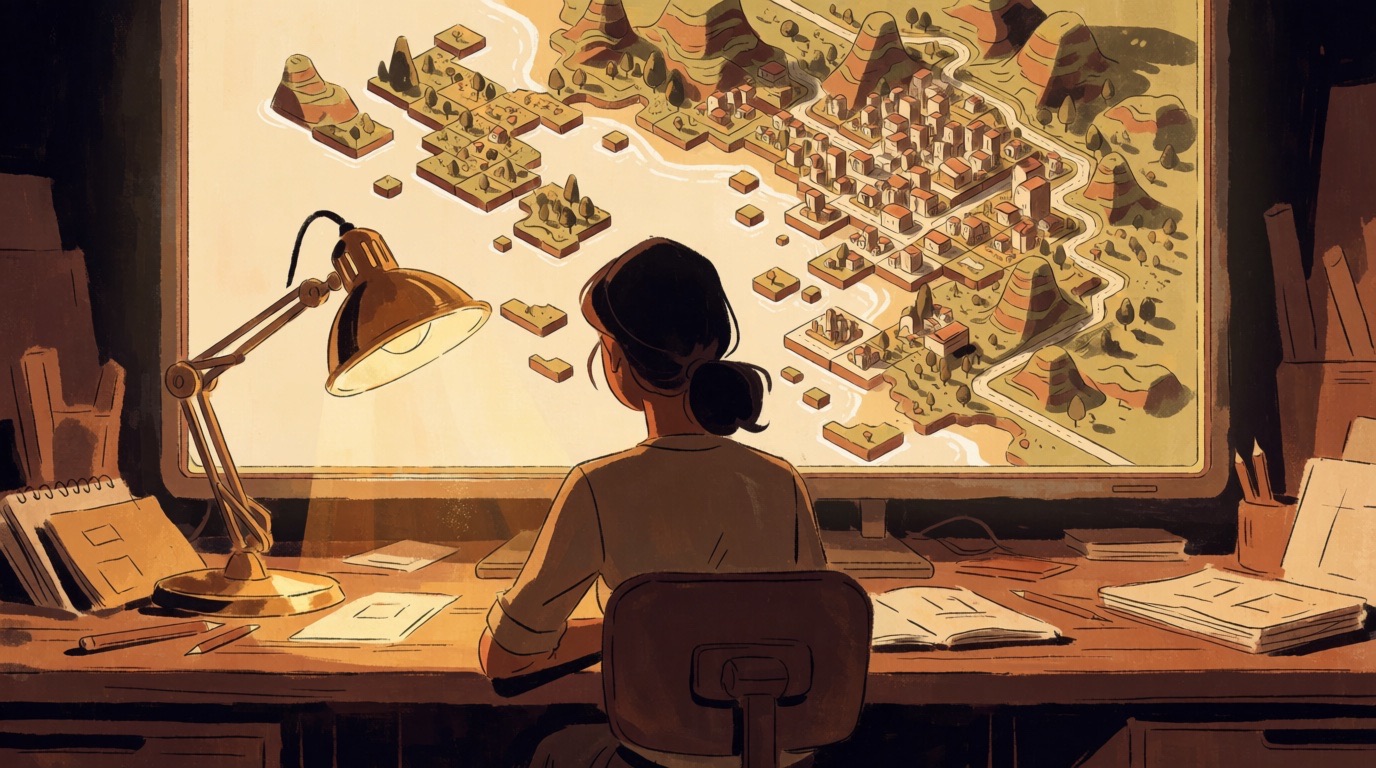
The engine is learning to dream: AI models as game generators
For forty years a game engine has drawn what a designer placed. The next generation will draw what a player imagines. That changes who makes games, and what a game is.
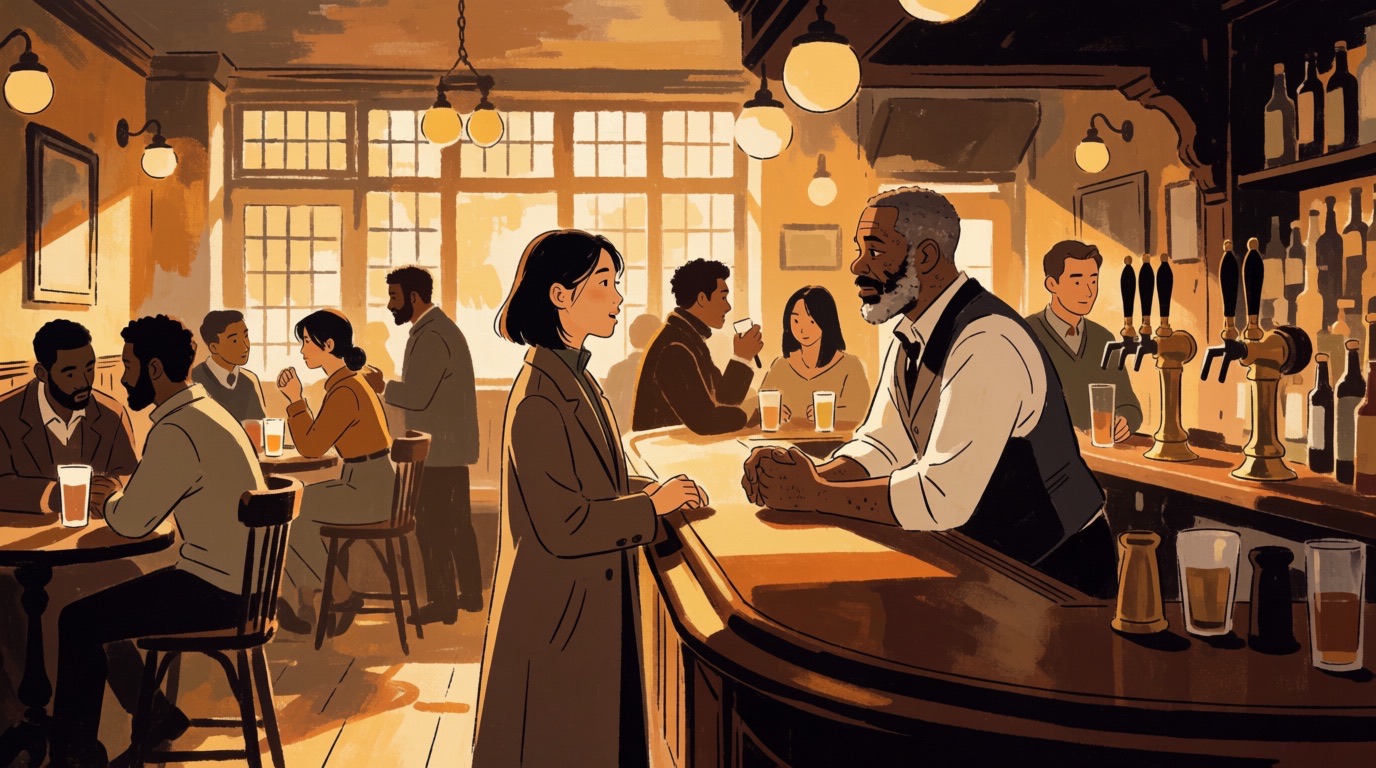
The end of the dialogue tree: designing NPCs that actually listen
Non-player characters have spent decades waiting for you to pick option B. Language models let them hold a conversation. The hard part is giving them a reason to.
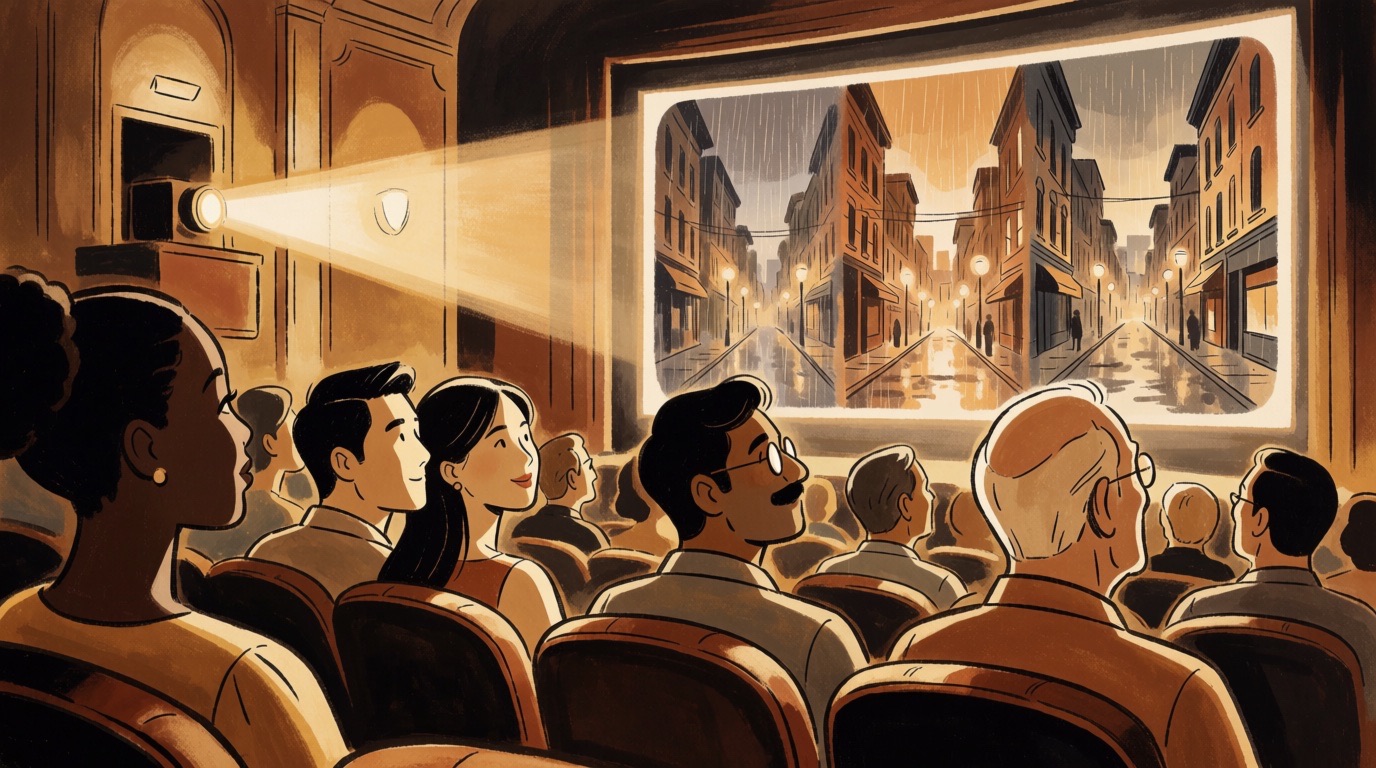
Every viewer a different cut: the rise of generative interactive film
Branching films asked audiences to choose between scenes someone had already shot. Generative film can compose the scene after you choose. It is a new medium, and it needs a new grammar.

Living worlds: why simulation is the next storytelling medium
The most compelling stories in games are increasingly the ones nobody wrote. Simulation, joined with generative models, turns worlds into places where stories grow on their own.
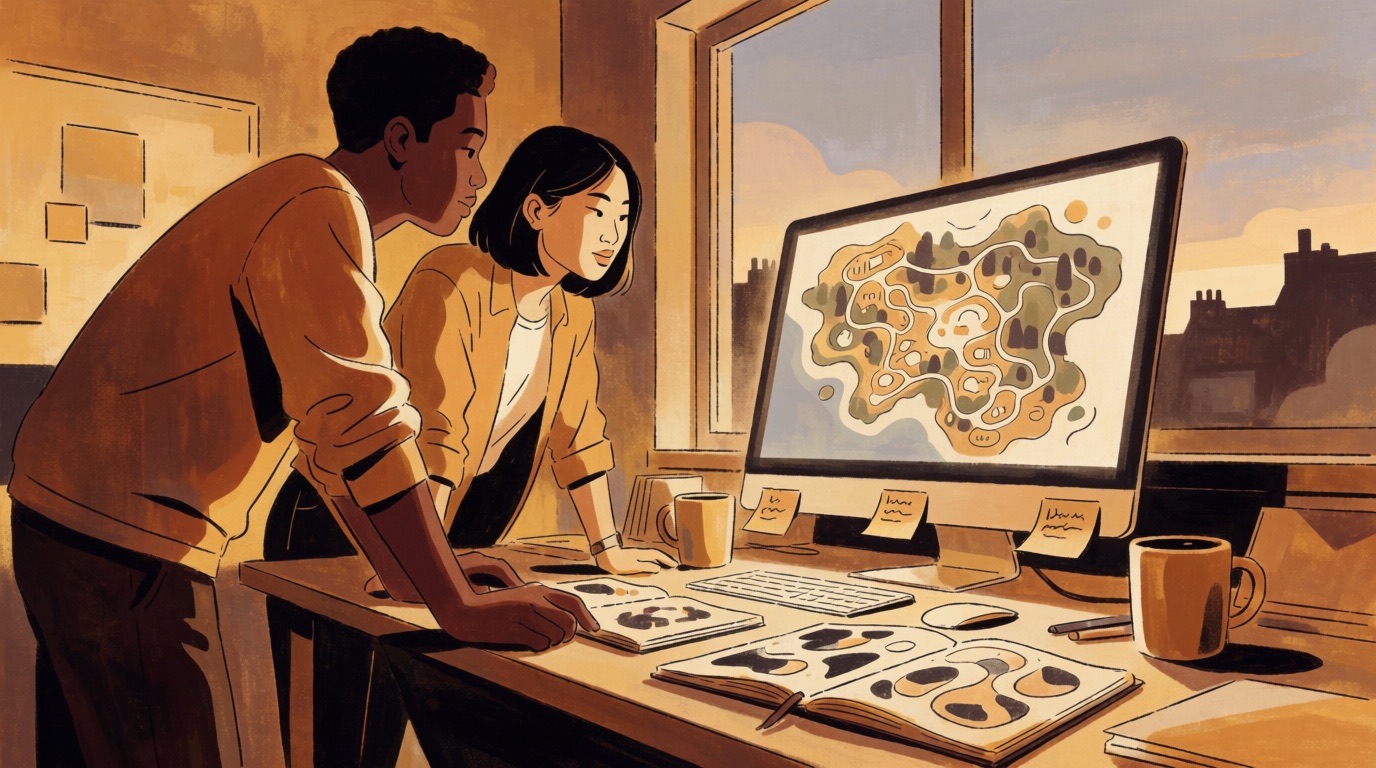
From shipped to alive: games as intelligent products
A game used to be finished the day it shipped. An intelligent game starts learning the day it launches. That changes how we design, measure and take responsibility for play.