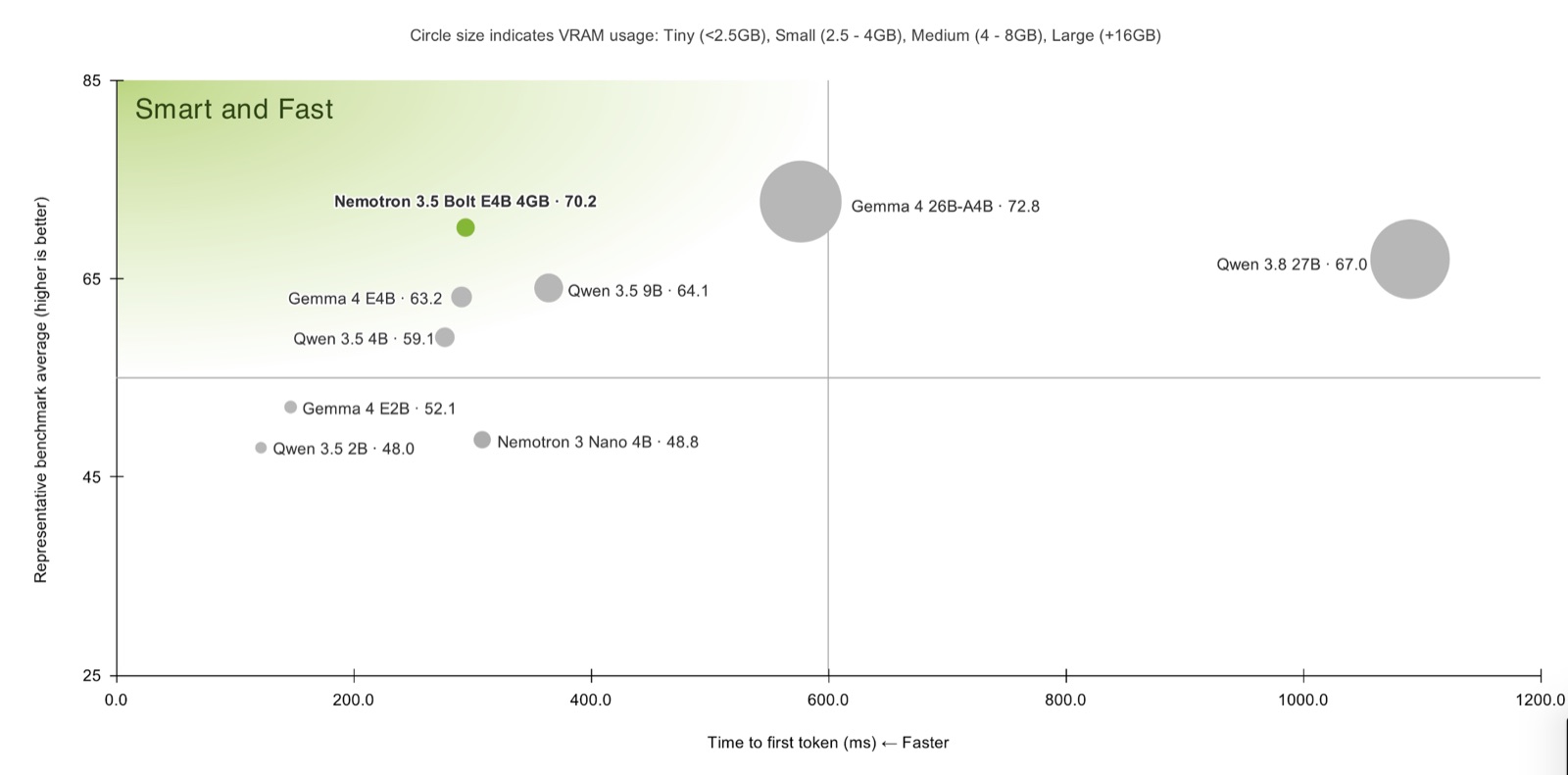
Nemotron 3.5 Bolt: a 4GB open model for on-device NPCs
NVIDIA has released Nemotron 3.5 Bolt E4B 4GB, an open small language model built for local game characters, voice assistants and robots. It fits in about 4GB of memory and is offered through NVIDIA's In-Game Inferencing SDK.
Genie 4 adds sound and speech to generated worlds
Google DeepMind has announced Genie 4, a real-time world model that generates ambient audio and interactive dialogue alongside the scene, with Gemini steering events as you play. It is a research preview for trusted testers.
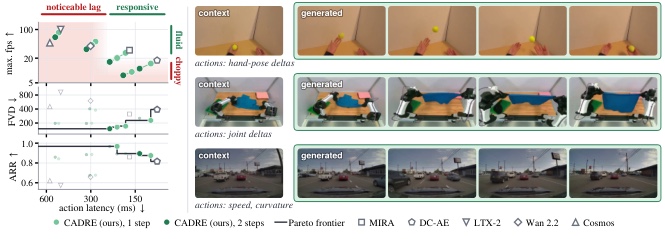
Kyutai CADRE: cutting action lag in AI world models
Kyutai has released CADRE, open video autoencoders built so interactive world models react in under 230 ms on one GPU. The paper shows why borrowing a text-to-video autoencoder makes every key press feel late.
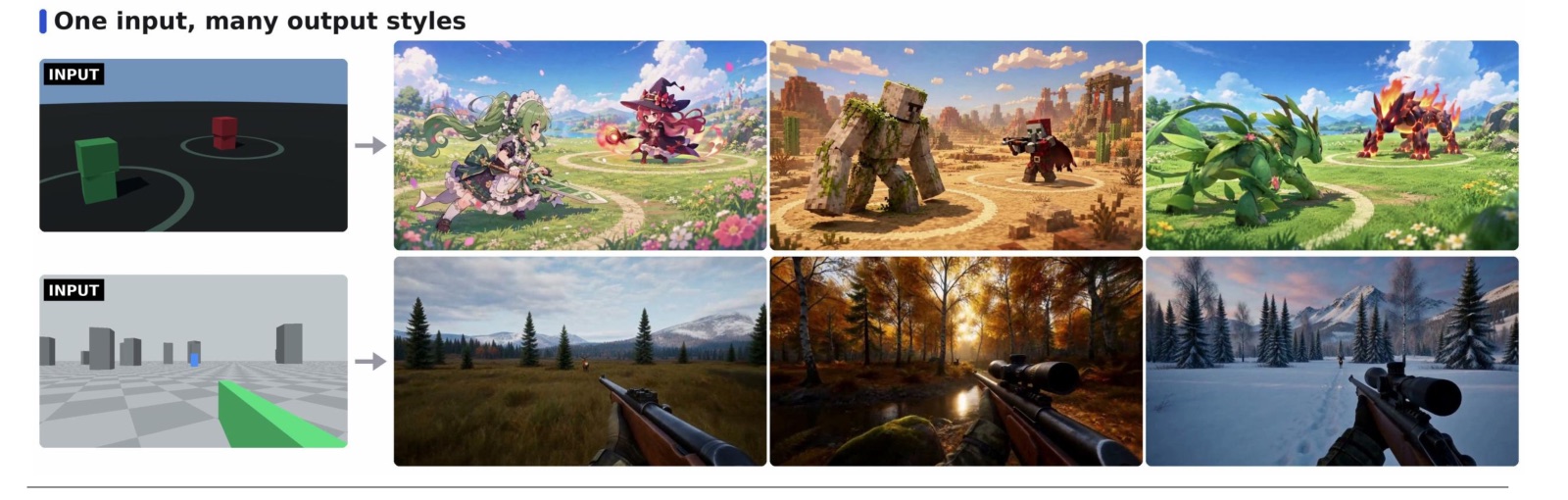
AnyGameRenderer turns greybox games into finished visuals
Alaya Lab's AnyGameRenderer re-renders crude gameplay video in any prompted style while keeping every character where the game put it. A new entity-level benchmark shows how often such renderers still get it wrong.
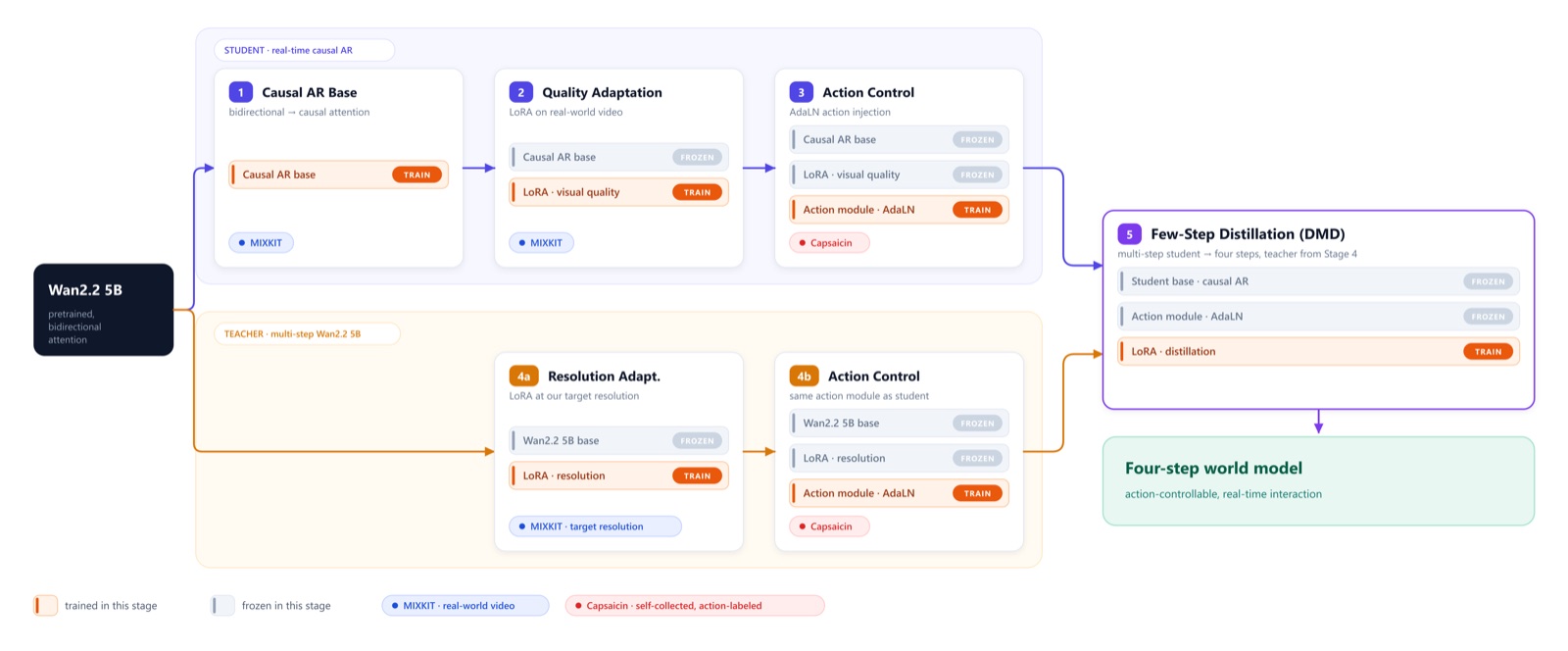
AMD's Micro-World 2: an open real-time world model
AMD has released Micro-World 2, a 5B-parameter interactive world model that streams video at over 30 frames per second on one Instinct MI350X GPU. The weights, dataset and training code are all public.
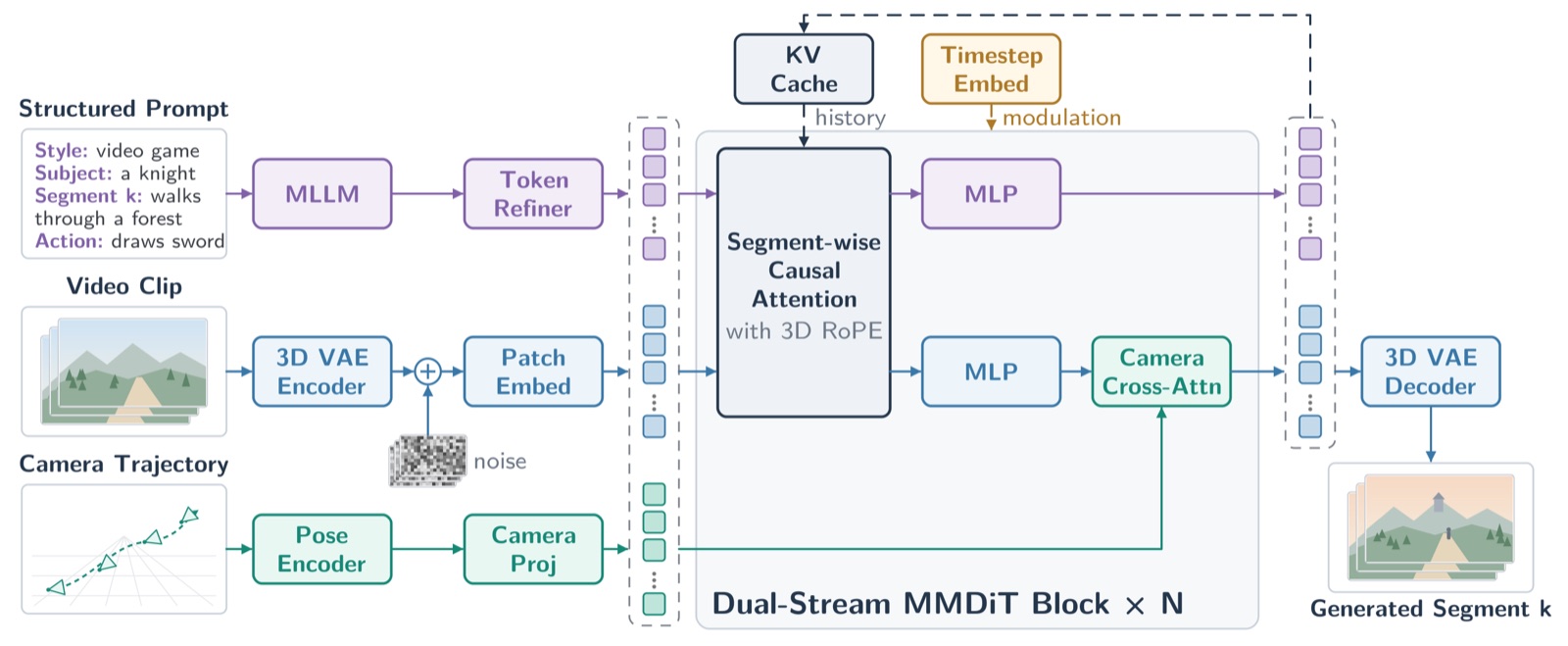
Tencent open-sources Hy-Nomas, a steerable world model
Hy-Nomas generates a video world one segment at a time, steered by text and camera moves, with Apache 2.0 weights and a single-RTX 4090 mode. It is a useful look at how open world models handle memory and control.
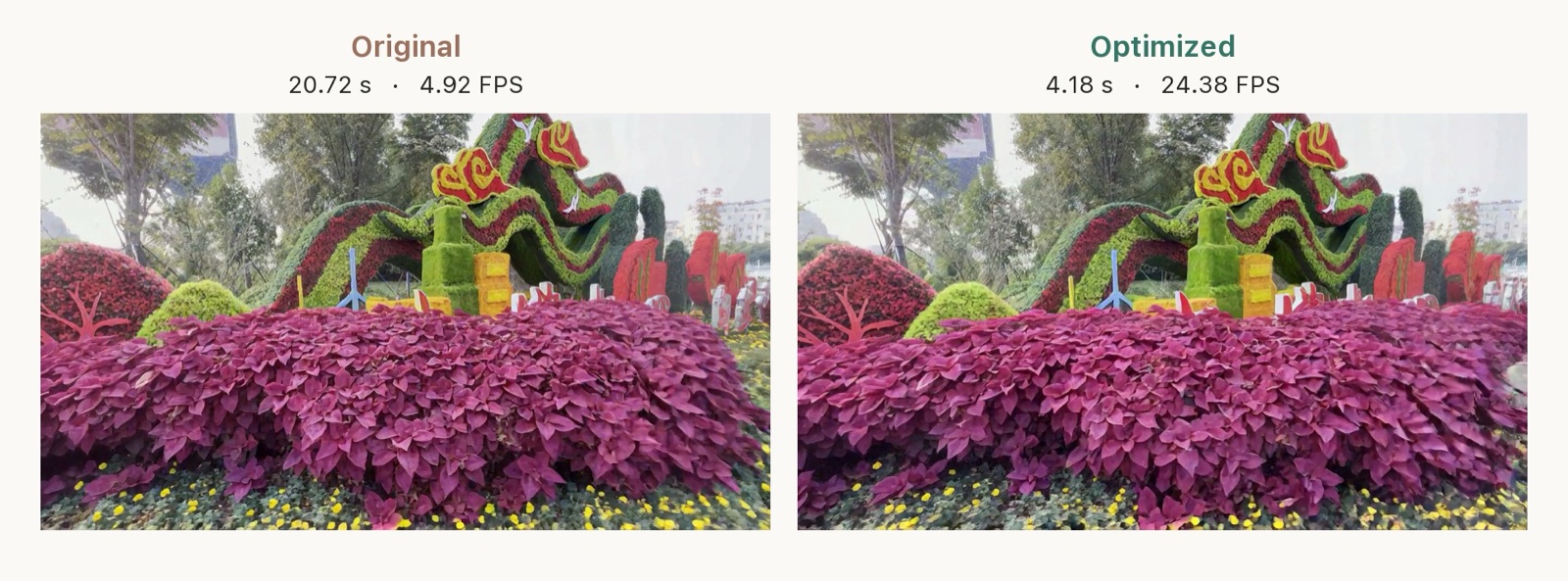
SolarWM H3 Realtime makes a world model respond in 0.58 seconds
The SolarX team's engineering write-up shows how compilation, CUDA graphs and a streaming decoder took an open world model from 4.92 to 24.38 frames per second. The first frame after a keypress now arrives in about 0.6 seconds at the backend.
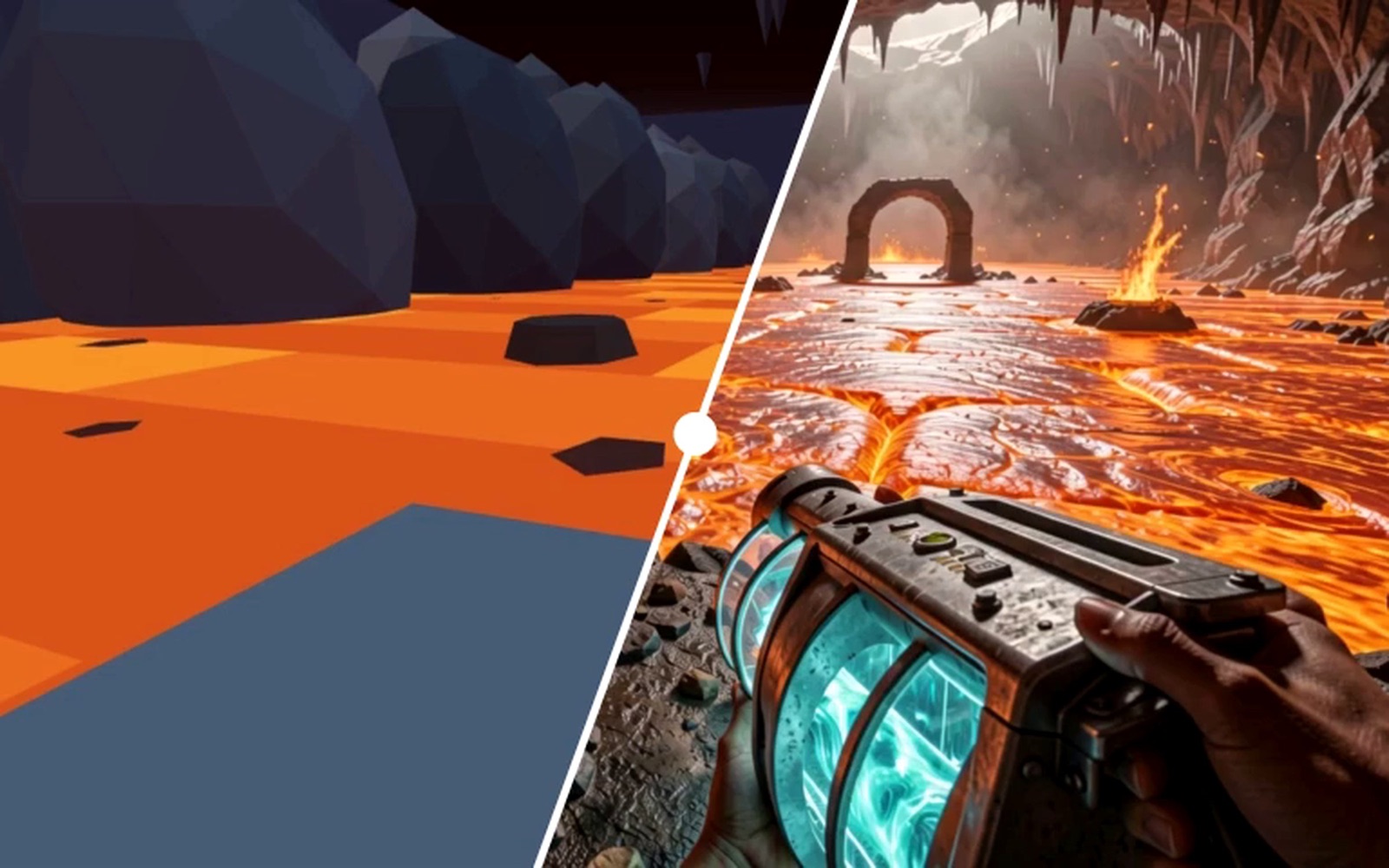
EdenLive: open-source real-time generative renderer for games
VAST, the company behind Tripo, has open-sourced EdenLive, a model that turns rough greybox game footage into detailed video at 24+ frames per second. The game engine keeps the rules; the model only paints the picture.
Viggle JST-2: a world model built in 3D, not pixels
Viggle's JST-2 generates an explorable 3D scene in about a second by modelling the world as persistent atoms rather than video frames. It also makes characters with motion built in, which matters for anyone building interactive worlds.
World Labs, Atlas and AMD: spatial intelligence becomes infrastructure
World Labs has opened its Atlas world model to early partners and agreed to be acquired by AMD for about $8.2 billion. For anyone building 3D worlds, the message is that world generation is becoming a platform layer.
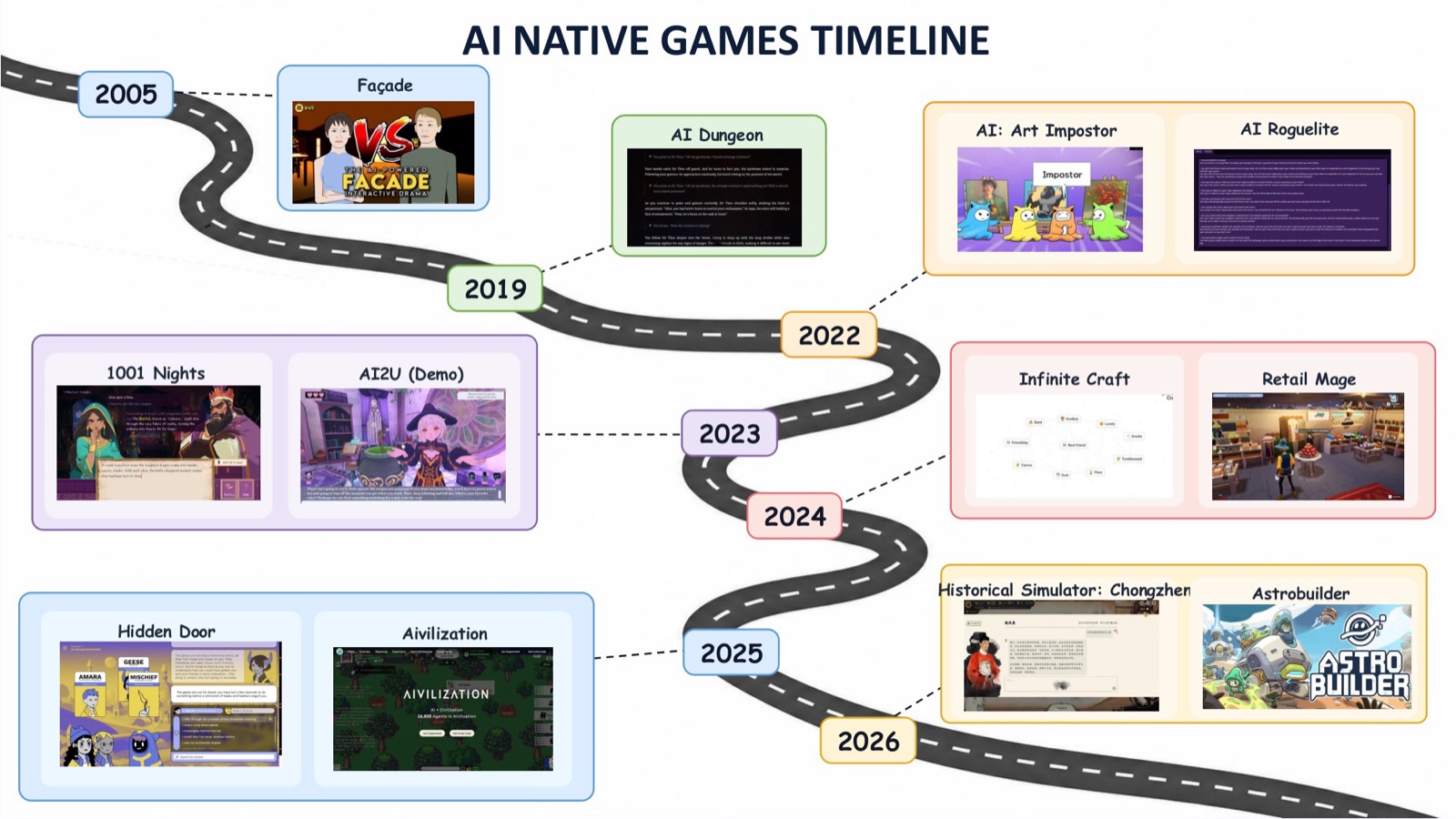
What makes a game AI-native? A new survey draws the line
Researchers reviewed 53 publicly available AI-native games and propose a simple test: if you removed the AI, would the core of play collapse? Their roadmap is a useful checklist for anyone building one.
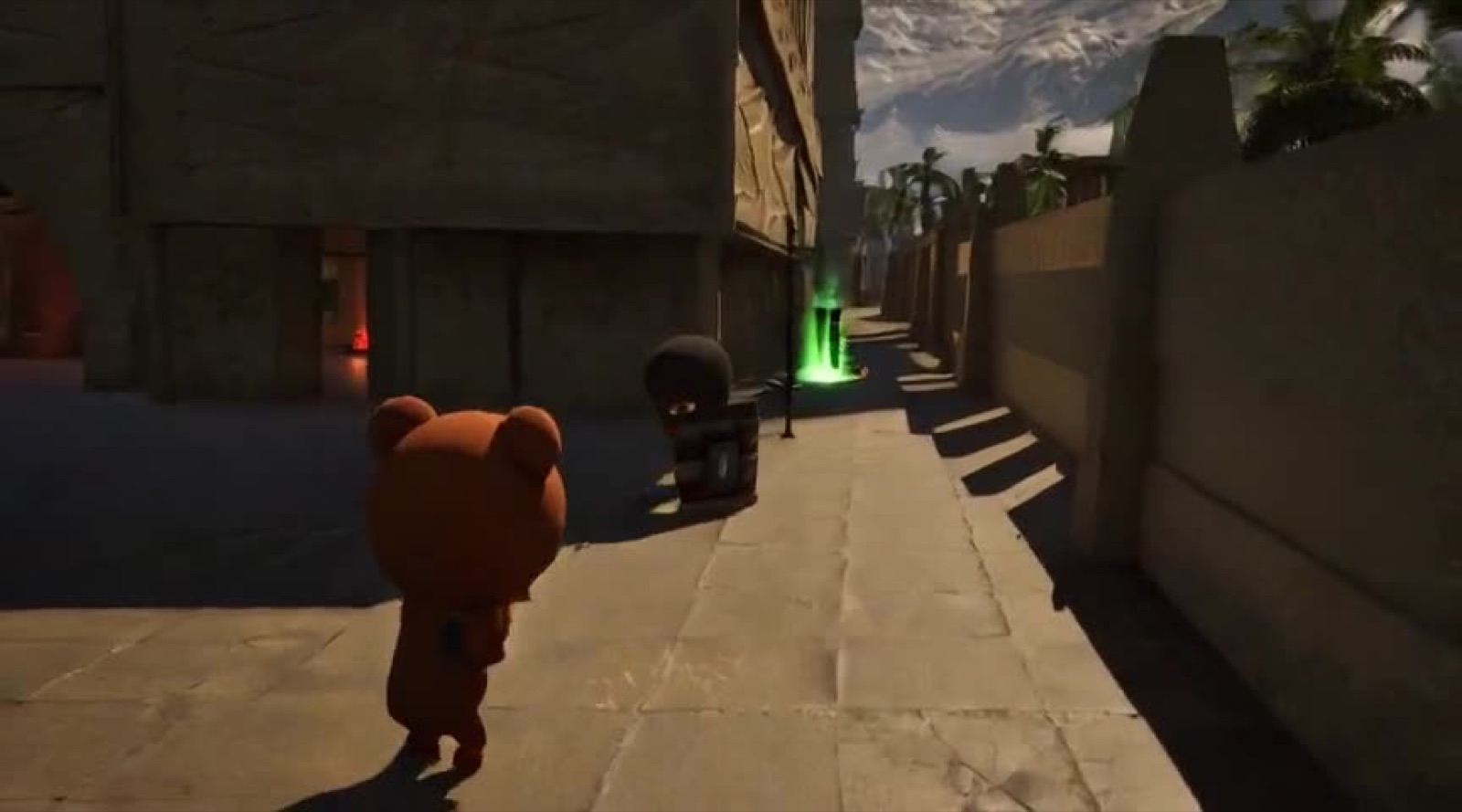
Matrix-Game 4.0: the game engine keeps the truth, the AI paints the world
Skywork's open-source release runs a playable generated game at 60 frames per second on a single RTX 5090. The trick is not a bigger model: it is letting ordinary game code own the rules.

Drama 3: open-weight voice acting for games and interactive film
Fish Audio's new 35B text-to-speech model takes plain-language direction, voices up to 16 characters in one script and runs on your own hardware. It is the first open model that sounds like a cast rather than a narrator.

Odyssey-3 brings real-time physics to generated worlds
A 14-billion-parameter world model now turns a text prompt into an environment you can walk through, with objects that move and collide as you play. Here is what it changes for game makers.
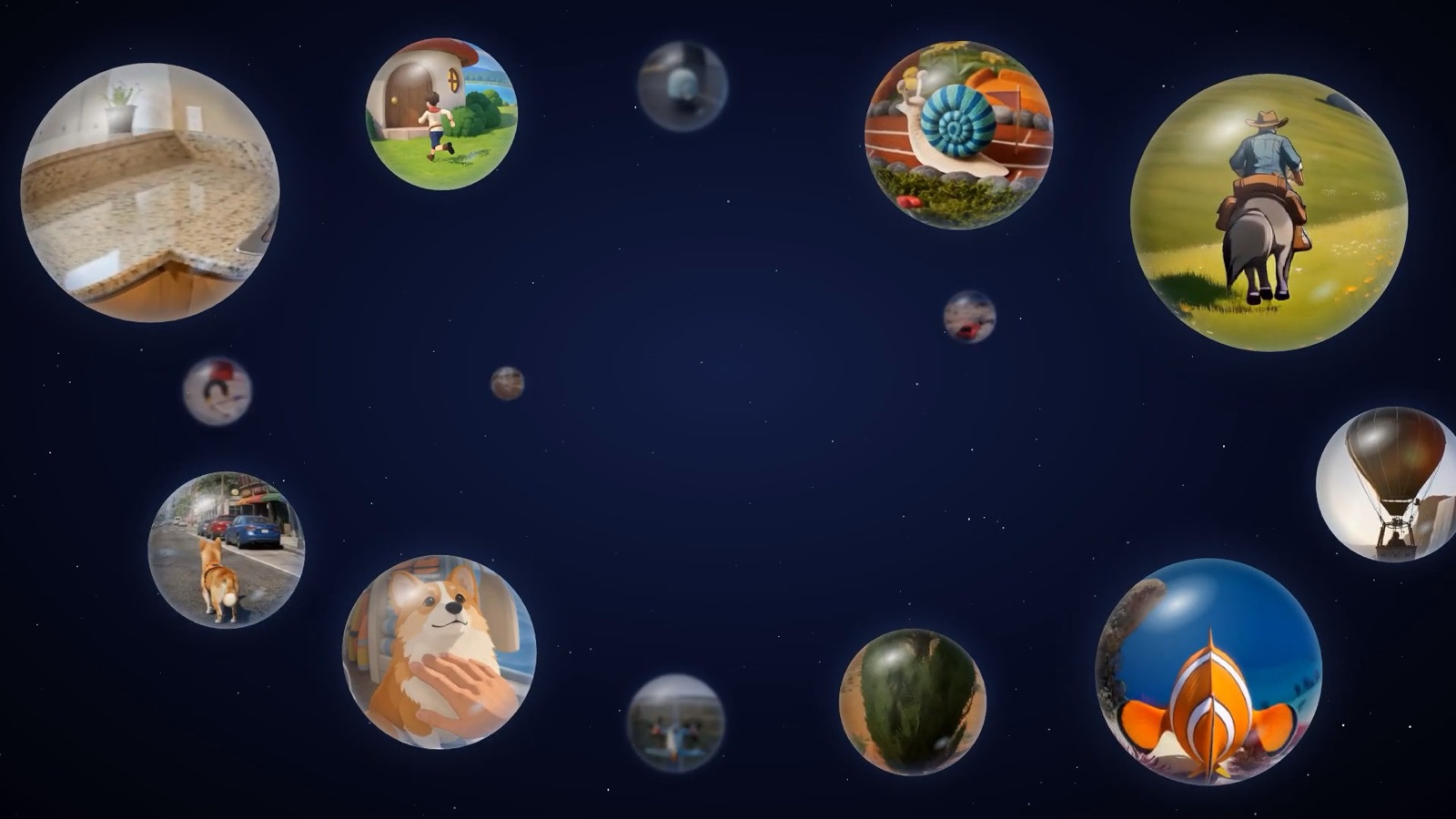
WorldPlay2 open-sources a playable world from a single image
New open weights turn one picture and a short prompt into a world you steer with a keyboard. It is a research release, but it shows how quickly interactive world models are becoming tools.
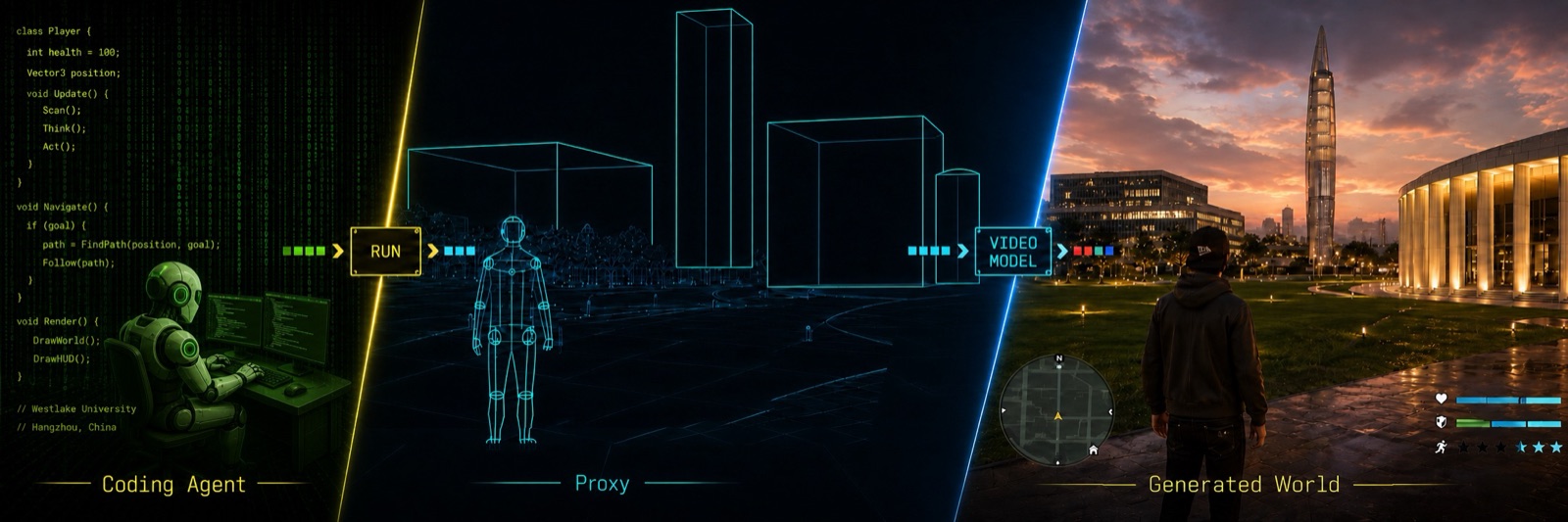
Streaming Code World Model: a coding agent as the brain of a world
An open research project makes Code World Model generate video chunk by chunk as the world unfolds. It is not real time yet, but it points at worlds whose rules are written and rewritten as code while you play.
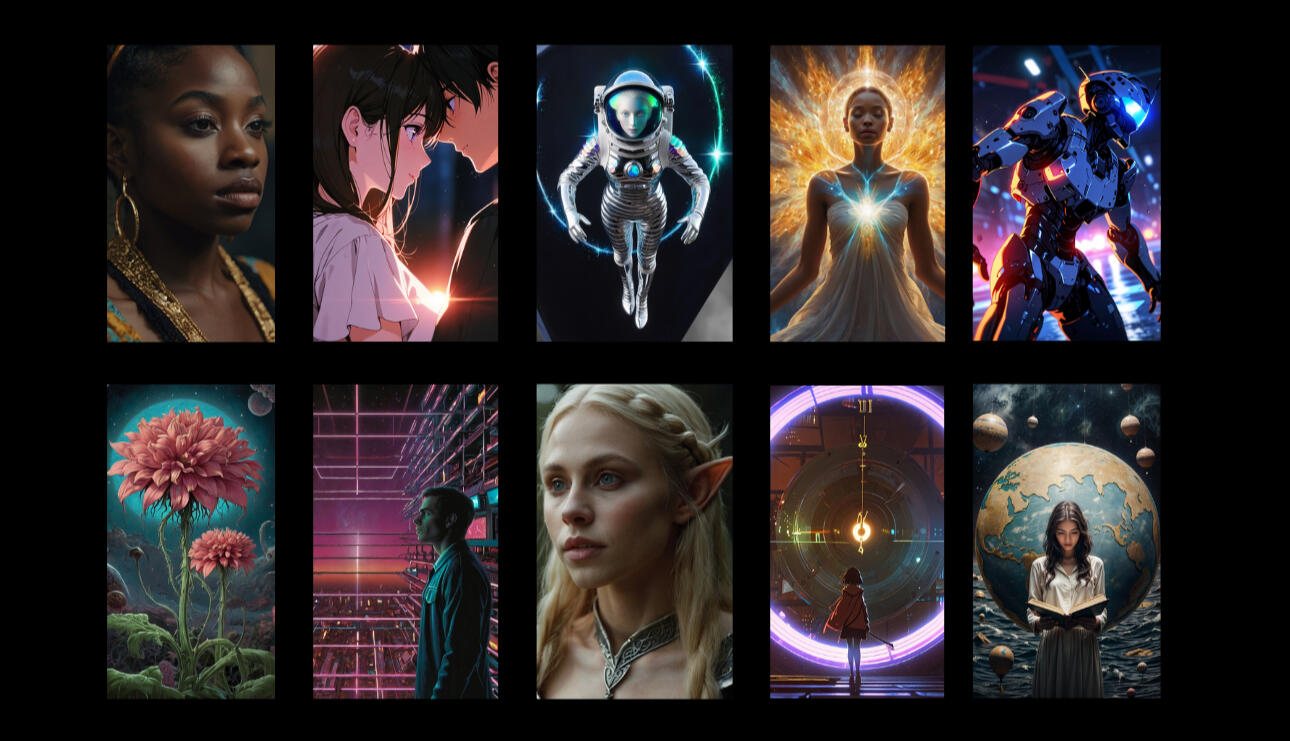
Erato is now Montage: one app for Story Generators
Our interactive storytelling app has a new name. Erato and Muse are now one app called Montage, the story mode once called Montage is now Motif, and thousands of players on iOS and Android have one place to create and play.